CHIP and diet
Diet and nutrition are increasingly recognized as important determinants of human health and disease. Beyond their established role in overall health and well-being, dietary interventions are being investigated as potential strategies to complement existing therapies, slow disease progression, and improve quality of life across a range of conditions, including cancer. Preclinical studies and systematic reviews have suggested that nutritional interventions may influence treatment response and clinical outcomes in several solid tumors, including head and neck, breast, and lung cancers. Diet may affect cancer biology through multiple mechanisms, including modulation of immune cell function, alterations in the gut microbiome, and changes in cellular metabolism. Although these findings provide a compelling rationale for investigating the role of diet in hematologic malignancies, clinical and mechanistic studies in this area have lagged behind those in solid tumors and remain an emerging field of research.
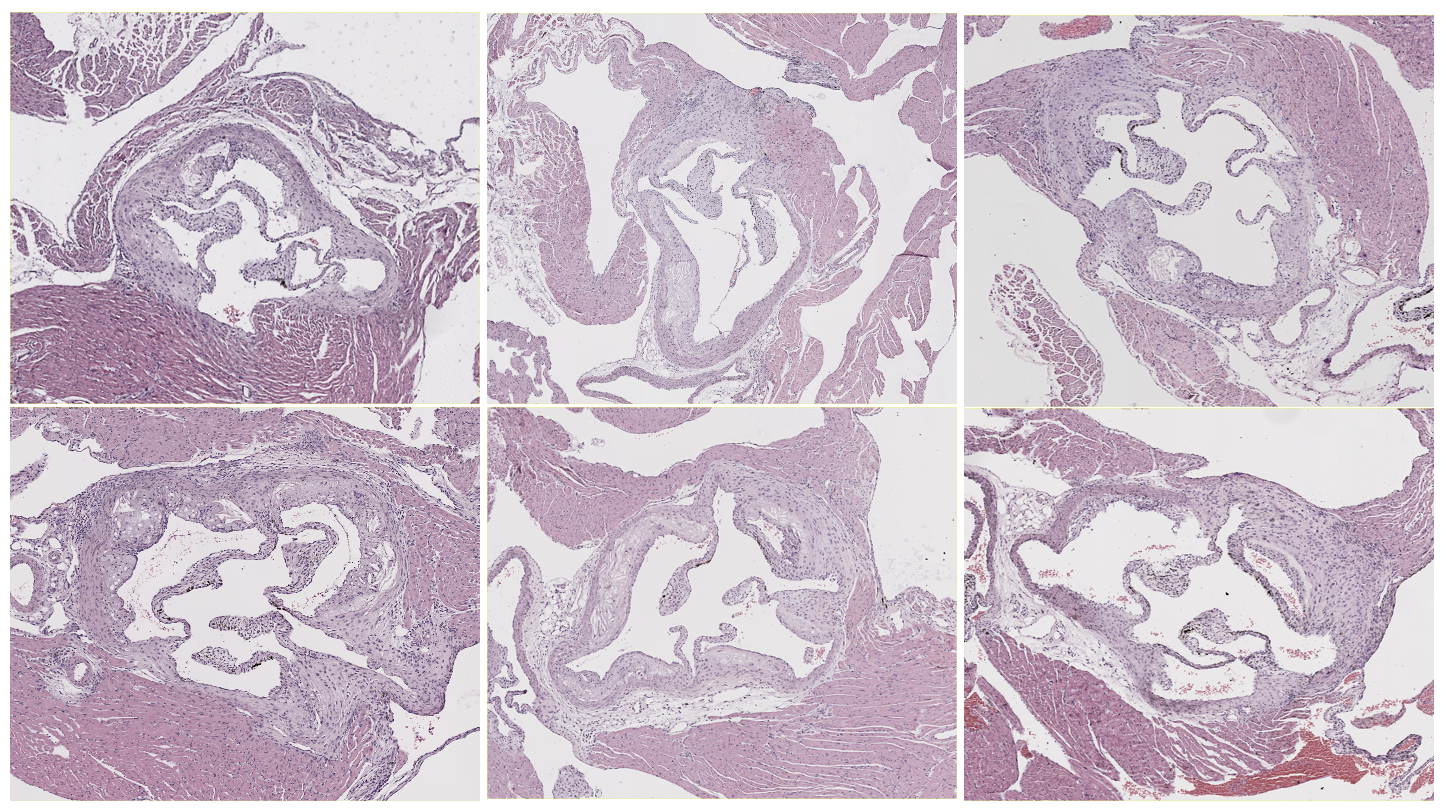
The Fleischman Lab investigates how dietary and nutritional factors influence the development and progression of hematologic malignancies and aging-associated conditions, including clonal hematopoiesis of indeterminate potential (CHIP). Using murine models of clonal hematopoiesis, including competitive bone marrow transplantation models incorporating common CHIP-associated somatic driver mutations such as Tet2, we study how distinct dietary patterns influence clonal expansion and its downstream disease consequences. In particular, we investigate how diets enriched in saturated fats, such as lard-based diets, compare with diets enriched in polyunsaturated plant-derived fats in shaping CHIP development and CHIP-associated cardiovascular disease.
A major focus of our work is understanding the mechanisms through which diet influences disease biology. We are particularly interested in how dietary interventions alter inflammatory pathways, hematopoietic and immune cell function, and gut microbiota and intestinal barrier homeostasis. By defining the biological pathways through which diet modulates clonal hematopoiesis and hematologic malignancy, our long-term goal is to identify evidence-based precision nutrition strategies that can complement existing therapies, prevent disease progression, and reduce the cardiovascular complications associated with hematologic disease.